Protecting a roof from water intrusion is critical, especially in a state like California with its diverse and often challenging climate. Properly installed roof flashing plays a pivotal role in safeguarding vulnerable areas, such as chimneys, vents, skylights, and roof valleys, from moisture damage. This guide will walk contractors and homeowners through key considerations for choosing the best roof flashing materials and practices suited to California weather.
The Importance of Roof Flashing
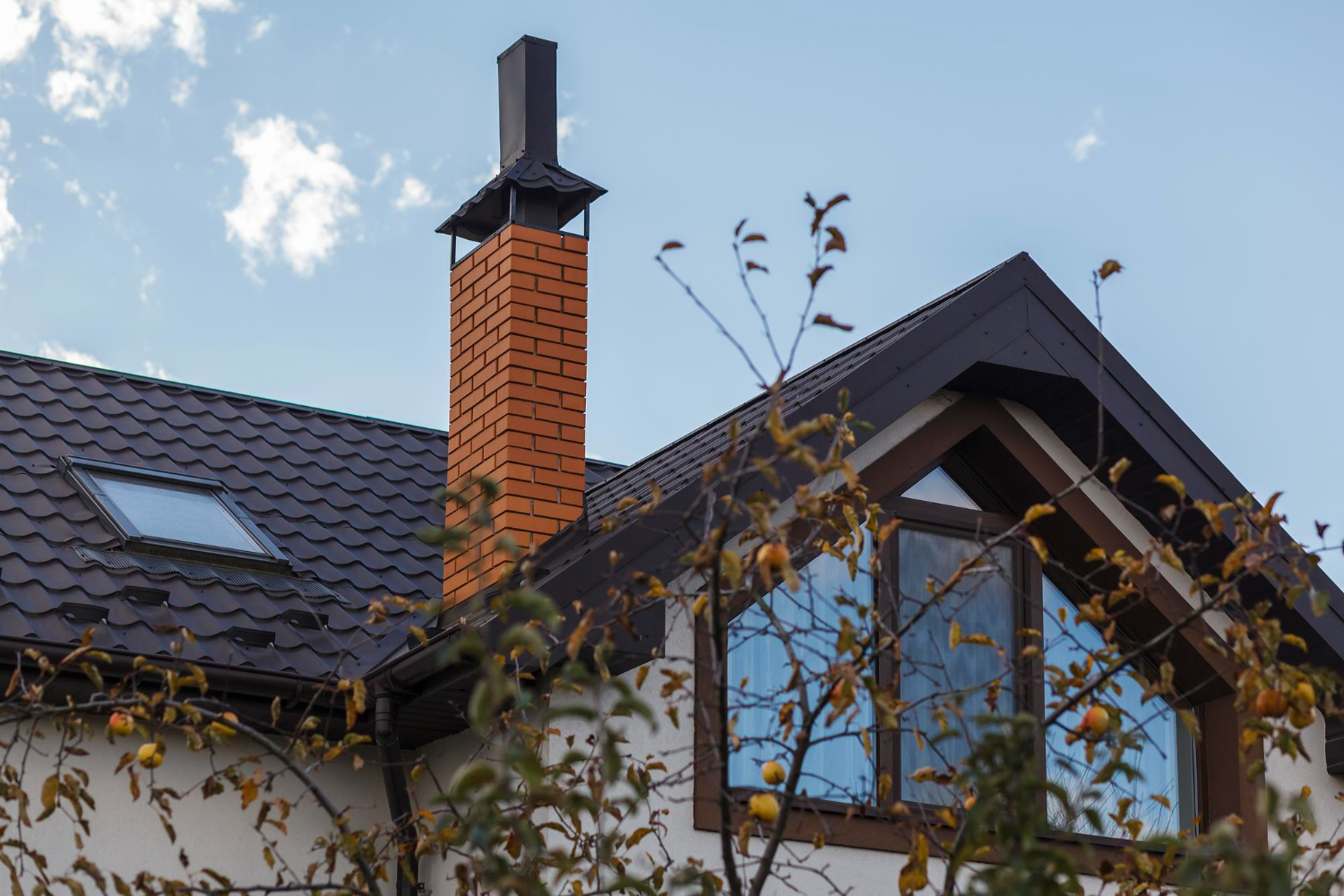
Roof flashing is an essential component of any roofing system, acting as a barrier to prevent water from seeping into weak points of the roof. Without adequate flashing, areas around chimneys, vents, skylights, and valleys are highly susceptible to leaks, mold, and structural damage. When properly installed, flashing directs water away from critical points and ensures the longevity of the roof. Given the demands of California’s unique climate, using durable flashing that can withstand varied weather patterns is more important than ever.
California Weather Challenges and Their Impact on Roofing
California’s climate presents specific challenges that require roof flashing materials to be highly durable and versatile:
- Intense Sun Exposure and UV Levels
Year-round sunshine across much of California exposes roofs to high levels of UV radiation, which can degrade some materials over time. Flashing must resist warping, cracking, and UV-induced wear. - Strong Seasonal Winds
From coastal breezes to strong Santa Ana winds, flashing must stay securely in place during heavy gusts. A properly fastened and sealed installation is essential to prevent detachment. - Coastal Moisture and Salt Air
Homes and commercial properties near the coast contend with salt-laden humidity, which can corrode less resilient materials. Choosing corrosion-resistant flashing ensures optimal performance in these areas. - Occasional Heavy Rain
Though drought-prone, California can experience severe rainstorms during certain seasons. Roof flashing should be watertight and capable of channeling heavy rain away from critical areas to prevent leaks.
Choosing the Right Flashing Materials
Selecting the appropriate flashing material is key to protecting a roof against California’s demanding weather. Here are three top options:
1. Aluminum
Aluminum is lightweight, flexible, and highly resistant to corrosion, making it an excellent choice for coastal and inland properties alike. Its malleability allows for easy installation around irregular roof features, such as curved skylights or uniquely shaped vents. To maximize its lifespan, aluminum should be coated to withstand UV exposure and weathering.
2. Galvanized Steel
Galvanized steel is durable and cost-effective, with a protective zinc coating that provides excellent rust resistance. This material performs well in high-wind areas and can handle heavy rain with ease. Though less malleable than aluminum, it’s a reliable choice for straight-line applications like roof valleys. Regular maintenance, such as checking for signs of corrosion, can help prolong its service life.
3. Copper
Copper is the premium choice for roof flashing due to its superior durability and aesthetic appeal. It naturally resists corrosion and thrives in both coastal and inland climates. Over time, copper develops a weathered patina that enhances its performance and visual appeal. While copper flashing comes with a higher price tag, its longevity often offsets the upfront cost, particularly for high-end builds.
Installation Best Practices for Strong, Long-Lasting Flashing
Proper installation of roof flashing is just as important as selecting the right material. Here are some best practices to ensure optimal performance:
- Ensure Compatibility with Underlayment
High-performance roofing underlayment is a vital companion to flashing, creating a watertight seal that offers additional protection. FoamBond underlayment is specifically designed to handle California’s climate challenges, making it an excellent choice. - Proper Sealing Around Vulnerable Areas
For areas like chimneys and skylights, use a combination of step flashing and counter-flashing to direct water away effectively. Applying waterproof sealants improves durability and prevents leaks. - Secure Fastening
Use corrosion-resistant fasteners to ensure the flashing remains securely attached, even in high-wind conditions. Nails or screws should be placed strategically to avoid compromising the integrity of the material. - Follow Manufacturer Guidelines
Always adhere to the manufacturer’s instructions for both the flashing material and roofing underlayment. These guidelines are designed to maximize the product’s efficiency and lifespan.
Tips for Long-Term Maintenance
Regular maintenance is critical for maintaining the effectiveness of roof flashing. Homeowners and contractors should:
- Inspect flashing annually for signs of wear, such as cracks, corrosion, or loose edges.
- Clear away debris that can trap moisture, such as leaves and dirt.
- Re-seal flashing joints if gaps or deterioration are apparent.
- Replace damaged flashing immediately to prevent leaks from spreading.
Why High-Performance Underlayment Matters
Installing high-quality flashing is only half the battle. Pairing it with premium roofing underlayment creates a robust defense against California’s climate. FoamBond underlayment is engineered for maximum performance, offering exceptional durability, water resistance, and thermal protection, even under intense sun exposure and heavy rain. When combined with proper flashing, it forms a roofing system that contractors and homeowners can trust.
Protect Your Roof with Confidence — Choose FoamBond
When it comes to roofing underlayment, durability and performance matter. At FoamBond, we provide high-quality, energy-efficient solutions designed to withstand California’s diverse climate conditions. Whether you’re a contractor or a homeowner, our products are engineered to protect what matters most — your home, your investment, and your peace of mind. Contact us today at 866-404-5440 or email us at office@foambond.com to learn how FoamBond can support your next roofing project with industry-leading innovation and reliability.