Your roof is your primary defense against the elements — but even the strongest roof can be compromised by penetrations that lead to costly leaks. Understanding these risk areas and addressing them effectively is key to maintaining the integrity of your roof. Whether you’re an experienced roofing contractor or a homeowner in California, identifying common roof penetrations and learning how to fix them can help you prevent damage and extend your roof’s lifespan.
What Are Roof Penetrations and Why They Matter
A roof penetration refers to any opening or cut in the roof structure where elements like plumbing stacks, ventilation pipes, skylights, or HVAC units are installed or pass through. While these features are essential for the functionality of a building, they also create vulnerabilities. Without proper installation and sealing, these penetrations become prime locations for water leaks, leading to damage like rotting wood, insulation failure, and mold growth.
Common Leak Sources
1. Vents and Plumbing Stacks
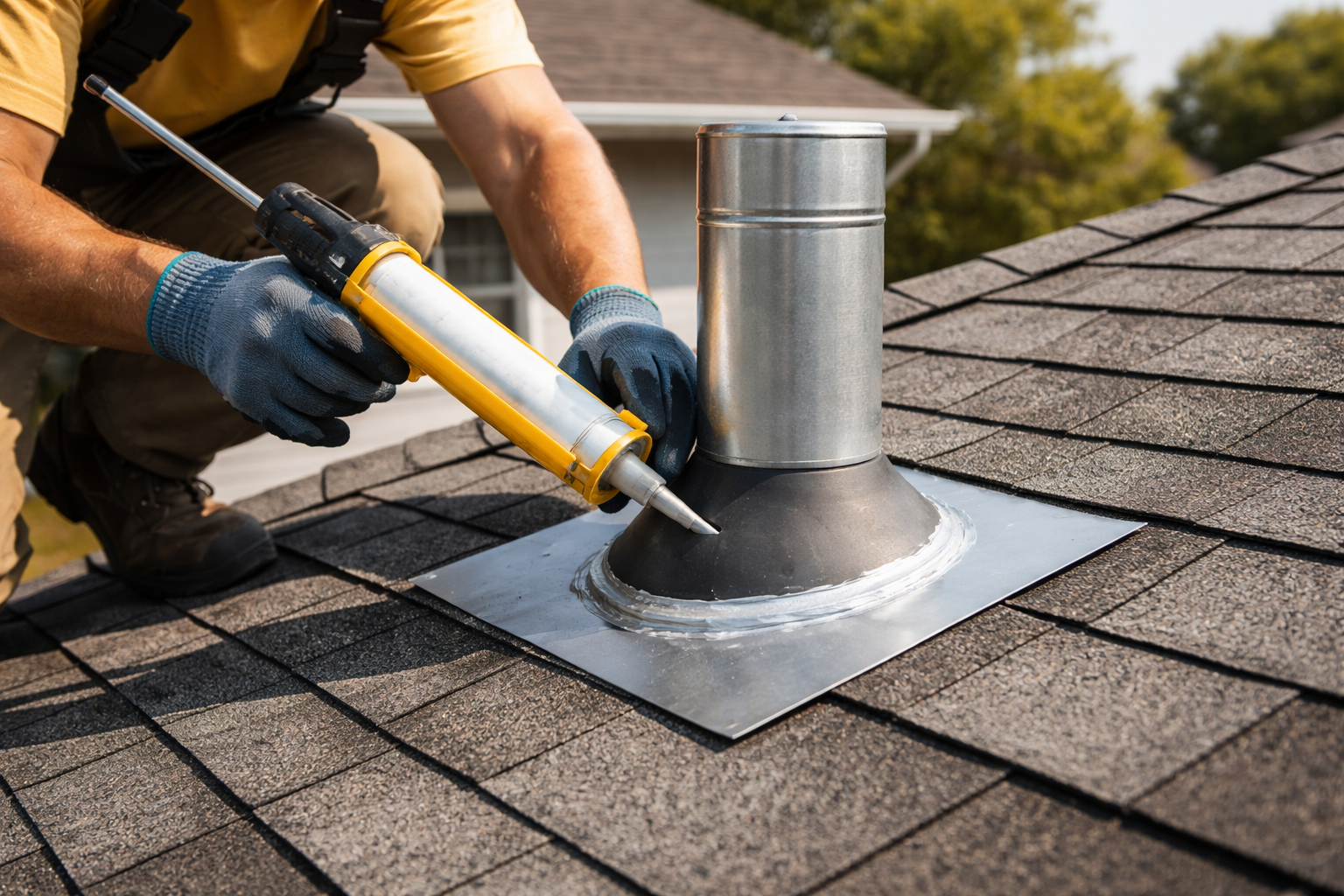
Exhaust vents and plumbing stacks are among the most frequent culprits of roof leaks. Over time, the rubber boot around these penetrations can crack or warp due to exposure to sunlight and temperature changes. This deterioration allows water to seep into the roof, compromising the underlying structure.
2. Skylights
Skylights add natural light and aesthetic value to a property but can pose significant risks if improperly installed or maintained. Leaks around skylights often occur due to poor sealing or flashing that has deteriorated over time. Heavy rainfall or melting snow can easily find its way into your home if these edges aren’t watertight.
3. HVAC Units
Roof-mounted HVAC systems require large penetrations for ductwork and electrical wiring, making them another common source of leaks. Pooling water around the base of the HVAC system, especially on flat roofs, can exacerbate the problem. Improper flashing or seals around these units often allows moisture to infiltrate.
4. Chimneys and Dormers
Chimneys, along with dormers, are prone to leaks due to their complex joints and angles. Flashing that surrounds these structures can pull away, corrode, or degrade due to weather exposure, leaving your roof vulnerable to water intrusion. Regular inspections and quick action are essential to prevent damage.
Warning Signs of Poorly Sealed Penetrations
It’s crucial to recognize the early warning signs of leaks around roof penetrations. Look out for the following indicators that may signify problems with your roof’s sealing and waterproofing:
- Water stains: Discolored patches on your ceiling or walls can indicate moisture infiltration.
- Mold or mildew: Persistent dampness encourages mold growth, which can lead to health risks.
- Sagging ceilings: Water pooling in your roof cavity may cause interior ceilings to sag.
- Missing or damaged flashing: Inspect metal flashing for gaps, rust, or cracks.
- Debris buildup: Blocked drainage systems around penetrations can signal water isn’t flowing as it should.
Best Practices for Sealing and Waterproofing
Protecting your roof starts with following best practices for sealing and waterproofing roof penetrations. Here are steps contractors and homeowners can take to safeguard their properties:
- Use Quality Flashing Materials
Install durable flashing made from materials such as aluminum or galvanized steel. Ensure it fits tightly around penetrations and is sealed with high-quality roofing cement or specialized sealants. - Install Effective Gaskets and Boots
Opt for weather-resistant rubber boots and gaskets that provide a tight seal around plumbing stacks, vents, and other penetrations. - Regular Inspections and Maintenance
Conduct thorough biannual inspections to detect wear and tear before leaks develop. Reapply sealants or replace deteriorated materials as needed to maintain lasting protection. - Professional Installation
Hiring experienced roofing contractors ensures that penetrations are installed and sealed correctly to prevent complications. Experienced professionals are equipped to handle challenging areas effectively, especially important for complex penetrations like skylights or chimneys.
How FoamBond Underlayment Adds an Extra Layer of Leak Protection
When it comes to roofing underlayment, FoamBond stands out as a cutting-edge solution that complements your sealing efforts and enhances long-term roof durability. Our advanced products are engineered to prevent leaks while increasing energy efficiency and protecting roofs against California’s challenging climate conditions, from heavy rains to intense solar heat.
FoamBond underlayment is designed to reinforce weak points around penetrations and works seamlessly with roofing materials to create an additional waterproof barrier. Choosing FoamBond means adding confidence to every roofing project — for contractors and homeowners alike.
Protect Your Roof with Confidence — Choose FoamBond
When it comes to roofing underlayment, durability and performance matter. At FoamBond, we provide high-quality, energy-efficient solutions designed to withstand California’s diverse climate conditions. Whether you’re a contractor or a homeowner, our products are engineered to protect what matters most — your home, your investment, and your peace of mind.
Contact us today at 866-404-5440 or email us at office@foambond.com to learn how FoamBond can support your next roofing project with industry-leading innovation and reliability.