If you’re considering a new roof installation or replacement, choosing between foam roofing and traditional options like shingles or tiles can be challenging. Each roofing material offers distinct advantages, and the right choice depends on your specific needs, budget, and long-term goals. This guide compares foam roofing and conventional roofing materials in terms of cost, longevity, and energy savings, helping you determine the best solution for your home or project.
What Is Foam Roofing?
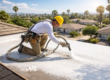
Foam roofing, or spray polyurethane foam (SPF), is created by combining two liquid chemicals that expand into a solid, lightweight foam when applied. This roofing material forms a seamless, waterproof barrier, adhering to most types of roof surfaces. Its versatility and efficiency have made foam roofing a popular choice in California, where durability and insulation are essential to combat diverse weather conditions.
Cost Breakdown
Initial Installation Costs
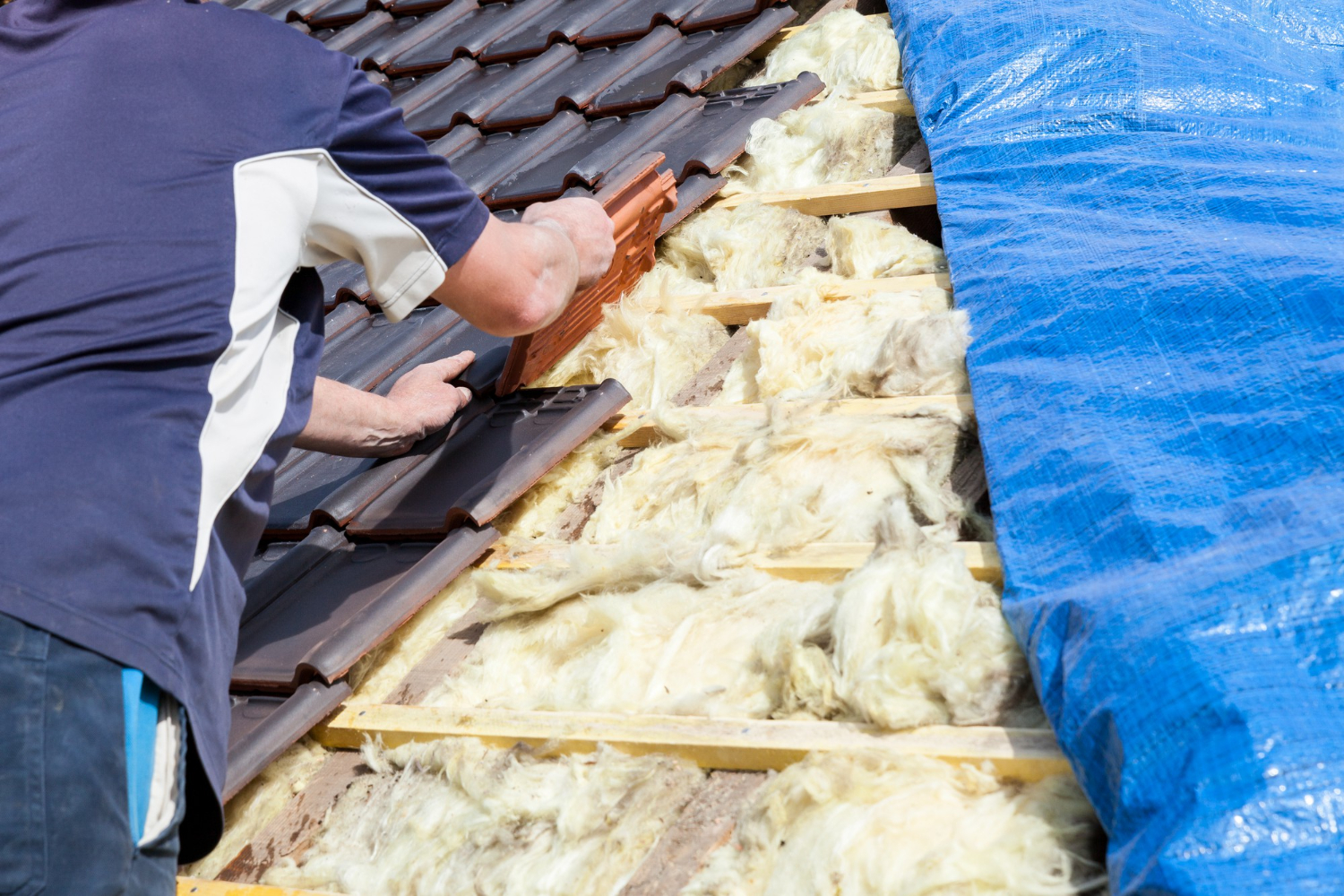
When comparing upfront costs, traditional roofing materials like shingles or tiles often have lower installation expenses than foam roofing. Asphalt shingles are readily available and quick to install, making them a cost-effective option for budget-conscious homeowners. Clay or concrete tiles, though pricier than shingles, are another popular traditional choice due to their durability and aesthetic appeal.
Foam roofing, on the other hand, tends to have higher initial installation costs due to the specialized equipment and expertise required. However, the seamless application process reduces construction waste and installation time, which may offset some of the upfront expenses.
Long-Term Value
While foam roofing has a higher initial cost, its long-term value often surpasses traditional materials. Foam roofs typically require less maintenance and have fewer issues with leaks due to their seamless nature. Additionally, foam roofing’s durability reduces the need for frequent replacements, saving money over time. Asphalt shingles and tiles may need periodic repairs or replacement due to weather-related damage, which can increase long-term costs.
Longevity and Performance
Traditional Roofing Lifespan
The lifespan of traditional roofing materials varies significantly. Asphalt shingles generally last 20–30 years, depending on their quality and exposure to weather conditions. Tile roofs, especially clay or concrete, can last 50 years or more with proper care. However, these roofs may be prone to cracks, chipping, or structural damage during severe weather events.
Foam Roofing Durability
Foam roofing offers excellent longevity, often lasting 30–50 years with proper maintenance and periodic re-coating. Unlike shingles or tiles, foam roofing is highly resistant to damage caused by water, wind, and hail. Its seamless design eliminates weak points where leaks can occur, ensuring the roof performs well even in harsh conditions.
Energy Efficiency and Environmental Impact
Foam Roofing’s Energy Savings
Foam roofing stands out for its superior insulation properties. The closed-cell structure of spray polyurethane foam prevents heat transfer, helping to regulate indoor temperatures. This can significantly reduce energy bills, especially during the hot California summers. Many foam roofs are also coated with reflective materials that deflect sunlight, further improving energy efficiency.
Traditional Roofing Efficiency
While some traditional materials, like light-colored tiles, offer reflective properties, they generally lack the comprehensive insulation that foam provides. Asphalt shingles absorb heat, which can increase cooling costs during summer months. Additionally, traditional roofs often require extra layers of underlayment or attic insulation to achieve similar energy-saving benefits as foam roofing.
Maintenance Considerations
Both foam and traditional roofing systems require maintenance, but the nature of that maintenance differs. Foam roofs need periodic inspections and re-coating every 5–10 years to maintain their protective properties. Traditional roofs often face issues like cracked tiles or missing shingles, which require individual repairs. Foam roofs’ seamless nature reduces the need for extensive repairs, offering convenience and reliability over time.
The Verdict
Choosing the best roofing solution ultimately depends on your priorities. If you’re focused on upfront costs and a traditional aesthetic, materials like asphalt shingles or tiles may be a suitable choice. However, if long-term savings, durability, and energy efficiency are important, foam roofing is a superior option. For California homeowners and contractors, foam roofing presents a modern solution designed to tackle diverse weather conditions while enhancing overall performance.
Protect Your Roof with Confidence — Choose FoamBond
When it comes to roofing underlayment, durability and performance matter. At FoamBond, we provide high-quality, energy-efficient solutions designed to withstand California’s diverse climate conditions. Whether you’re a contractor or a homeowner, our products are engineered to protect what matters most — your home, your investment, and your peace of mind.
Contact us today at 866-404-5440 or email us at office@foambond.com to learn how FoamBond can support your next roofing project with industry-leading innovation and reliability.