Roofs work in the sun all day, cool down at night, and repeat that cycle across every season. In California, those temperature shifts can be significant enough to make roofing materials expand during heat and contract as conditions cool. Over time, that movement creates stress at seams, fasteners, flashing points, and other vulnerable areas.
When expansion and contraction happen again and again, even a well-built roof can start showing signs of strain. Small gaps may grow wider, protective layers can lose their tight seal, and moisture can begin to work its way into places it does not belong. That is why thermal movement is not just a technical issue. It is a long-term performance issue.
How Thermal Movement Leads to Damage
Cracks and surface fatigue
As materials stretch and shrink, they can develop stress cracks or weak points. Once those areas form, the roof becomes more vulnerable to water intrusion, UV exposure, and faster wear.
Leaks around transitions
Roof penetrations, edges, and flashing details are often where movement becomes most noticeable. If those transitions are not designed and installed carefully, repeated thermal stress can loosen seals and create openings for leaks.
Premature aging
A roof under constant movement may lose performance earlier than expected. Instead of aging evenly, certain sections can deteriorate faster, which increases maintenance needs and raises the risk of more costly repairs.
Why System Selection and Installation Matter
The right roofing approach can help reduce the impact of temperature-related movement. Foam roofing systems are valued in part because they create a continuous layer that can help reduce weak points where water or air may enter. When paired with quality installation, the roof assembly is better positioned to handle daily expansion and contraction without unnecessary stress.
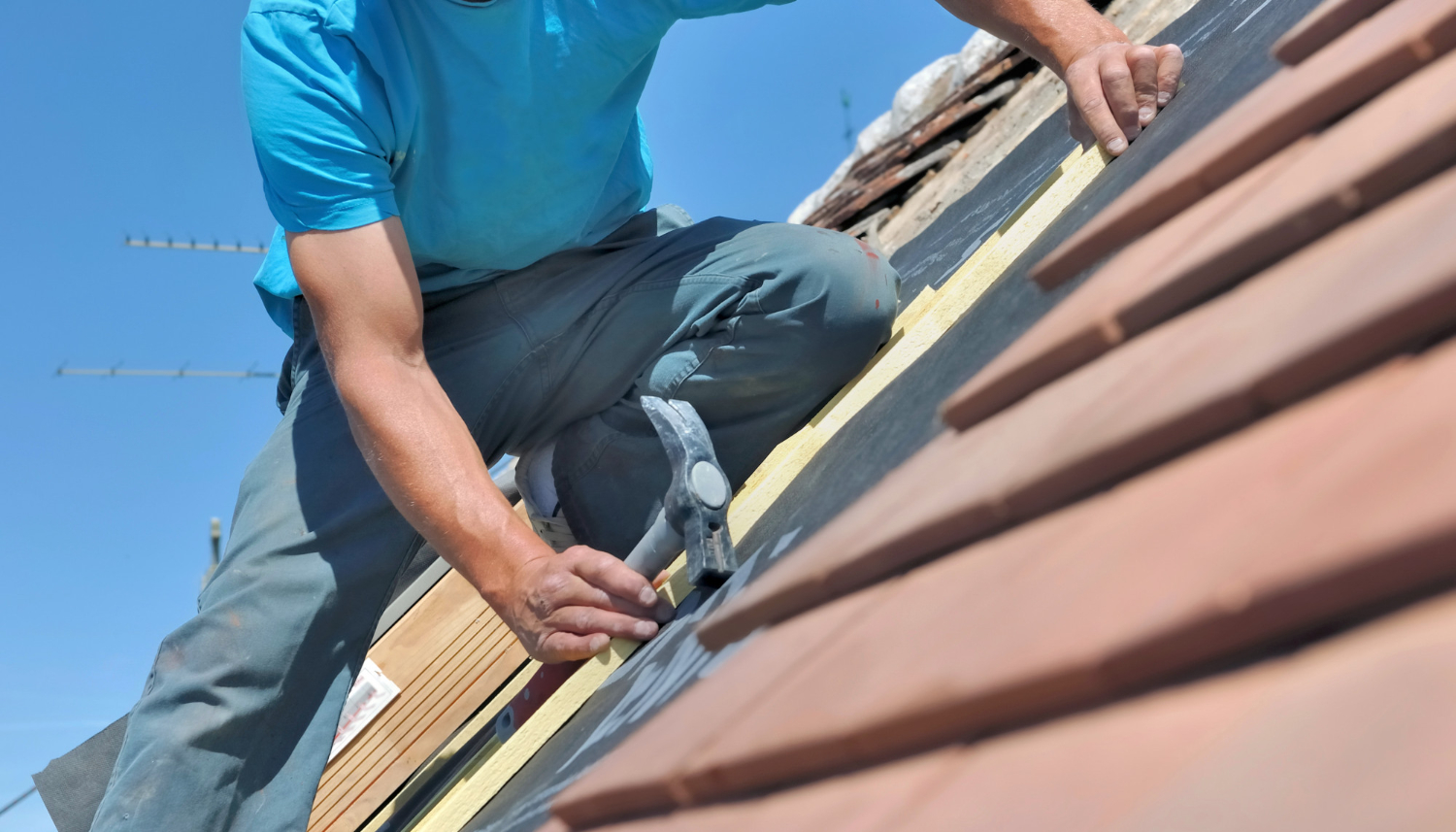
Installation quality is just as important as the material itself. Proper surface preparation, attention to detailing, and careful application all support a roof that performs more consistently over time. A strong system is not only about what goes on the roof, but how it is put in place.
Practical Ways to Support Long-Term Roof Life
Property owners and contractors can reduce long-term risk by planning for thermal movement from the start. That means choosing materials suited to the climate, paying close attention to transitions, and staying consistent with maintenance. Regular inspections also help identify small stress-related issues before they grow into leaks or structural concerns.
In a climate where heat and seasonal variation are part of everyday performance, understanding roof expansion and contraction is essential. A roof that is built to manage thermal stress is more likely to stay reliable, efficient, and durable for the long run.
Protect Your Roof with Confidence — Choose FoamBond
When it comes to roofing underlayment, durability and performance matter. At FoamBond, we provide high-quality, energy-efficient solutions designed to withstand California’s diverse climate conditions. Whether you’re a contractor or a homeowner, our products are engineered to protect what matters most — your home, your investment, and your peace of mind.
Contact us today at 866-404-5440 or email us at office@foambond.com to learn how FoamBond can support your next roofing project with industry-leading innovation and reliability.