When considering roofing options for your home or commercial property, choosing the right material can make all the difference in cost, durability, and energy efficiency. Two prominent contenders — spray foam roofing and traditional shingles — are often weighed against each other in California’s climate. This article dives into the details of these roofing solutions, comparing installation expenses, lifespan, insulation performance, and overall energy savings to help you make the most informed decision.
Installation Costs
The initial cost of installing a roof is usually one of the most significant concerns for homeowners and contractors. Traditional shingles are generally viewed as a lower-cost option upfront. On average, the cost of shingle installation in California ranges between $4 and $10 per square foot, depending on the material and contractor rates.
Spray foam roofing systems, while initially more expensive, typically cost between $7 and $12 per square foot. Although this may seem pricier, it’s important to note that spray foam roofing includes insulation and additional weatherproofing within the installation process. This integration can result in savings on secondary materials, such as roofing underlayment or additional insulation layers often required for shingle roofs.
Longevity and Maintenance
Durability and lifespan are critical factors when selecting a roofing system, and this is where spray foam roofing shines. Traditional shingle roofs tend to last 20 to 30 years, depending on material quality and maintenance. However, California’s intense sun exposure and occasional wildfire risks can accelerate shingle deterioration. Regular maintenance, including replacing damaged or missing shingles, can also add to long-term costs.
Spray foam roofing systems, on the other hand, offer a lifespan of 30 to 50 years with proper maintenance. A simple reapplication of the topcoat every 10 to 15 years can keep the system functioning effectively. Spray foam is also highly resistant to California’s extreme climate conditions, including high UV exposure, making it a low-maintenance and highly durable option.
Insulation and Energy Efficiency
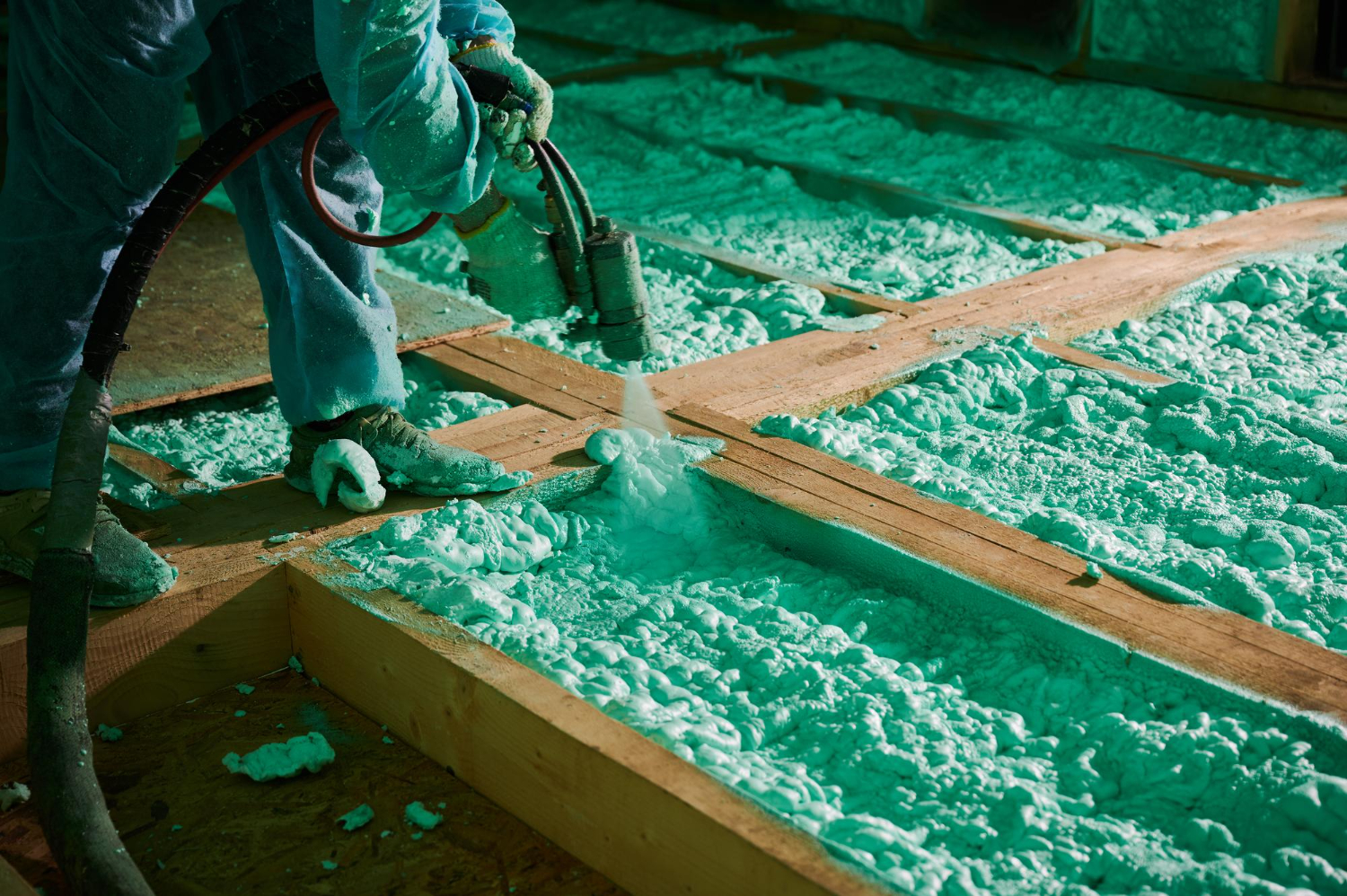
One of the standout benefits of spray foam roofing is its superior insulation performance. Spray foam acts as both a roof and an insulating barrier by forming a seamless, airtight seal over the building. This prevents air leaks and reduces the transfer of heat, helping to maintain comfortable indoor temperatures year-round.
Traditional shingles, while effective at shedding water, do not provide significant coverage in terms of insulation. Homeowners often rely on additional roofing underlayment or attic insulation to achieve energy savings, which increases the total system cost. For California residents facing hot summers and cool nights, spray foam roofing significantly improves energy efficiency, often leading to a noticeable reduction in heating and cooling bills.
Performance in California’s Climate
California’s diverse and often challenging climate demands robust roofing solutions. Intense sunlight, occasional storms, and varying temperatures are common factors that roofs in this region endure. Shingle roofs are susceptible to heat damage, fading, and cracking over time, especially under prolonged sun exposure. Wildfire-prone areas also pose risks to wood shingles, which may not be fire-resistant unless specifically treated.
Spray foam roofing, in contrast, offers excellent durability in extreme conditions. Its seamless application prevents water infiltration during heavy rains, and the reflective nature of the protective topcoat helps to minimize heat absorption, keeping your property cool even during heatwaves. Additionally, spray foam roofing can be customized with added fire resistance for homes in wildfire-prone areas, ensuring maximum safety and protection.
Long-Term Savings
While shingles may appear as the more budget-friendly option upfront, their maintenance and replacement costs often add up over the years. Spray foam roofing offers significant long-term savings through reduced energy bills, lower maintenance costs, and a longer lifespan. For Californian contractors and homeowners who prioritize performance and durability, spray foam roofing is an investment that pays off over time.
Key Takeaways
- Initial Investment: Shingle roofs are more affordable upfront, while spray foam roofing requires a higher initial expense but includes insulation and weatherproofing.
- Durability: Spray foam roofing lasts longer and requires less frequent maintenance, especially in California’s sunny and varied climate.
- Energy Efficiency: Spray foam roofing outperforms shingles by providing a seamless insulating barrier, reducing cooling and heating costs.
- Climate Performance: California homeowners benefit greatly from spray foam’s UV resistance, waterproofing, and fire-resistant options.
- Overall Savings: Long-term savings on energy and maintenance make spray foam roofing a cost-effective solution for many properties.
Protect Your Roof with Confidence — Choose FoamBond
When it comes to roofing underlayment, durability and performance matter. At FoamBond, we provide high-quality, energy-efficient solutions designed to withstand California’s diverse climate conditions. Whether you’re a contractor or a homeowner, our products are engineered to protect what matters most — your home, your investment, and your peace of mind. Contact us today at 866-404-5440 or email us at office@foambond.com to learn how FoamBond can support your next roofing project with industry-leading innovation and reliability.