When it comes to roofing, California homeowners and contractors need to understand the energy efficiency standards outlined by the state’s Title 24 Building Energy Efficiency Standards. These regulations are designed to reduce energy consumption, minimize environmental impact, and improve the durability of roofing systems. Whether you’re a homeowner upgrading your roof or a contractor guiding your clients, meeting Title 24 requirements is essential. This guide will explain what Title 24 entails, how cool roof systems fit in, and why solutions like FoamBond underlayment are a critical part of compliance.
What Is California’s Title 24 Energy Code?
Title 24 is part of California’s energy code, established to promote energy efficiency in both residential and commercial buildings. It sets strict guidelines for roofing, insulation, and energy systems, requiring construction practices that reduce greenhouse gas emissions and lower energy costs. Cooling is a significant factor, especially in California’s warm climate zones.
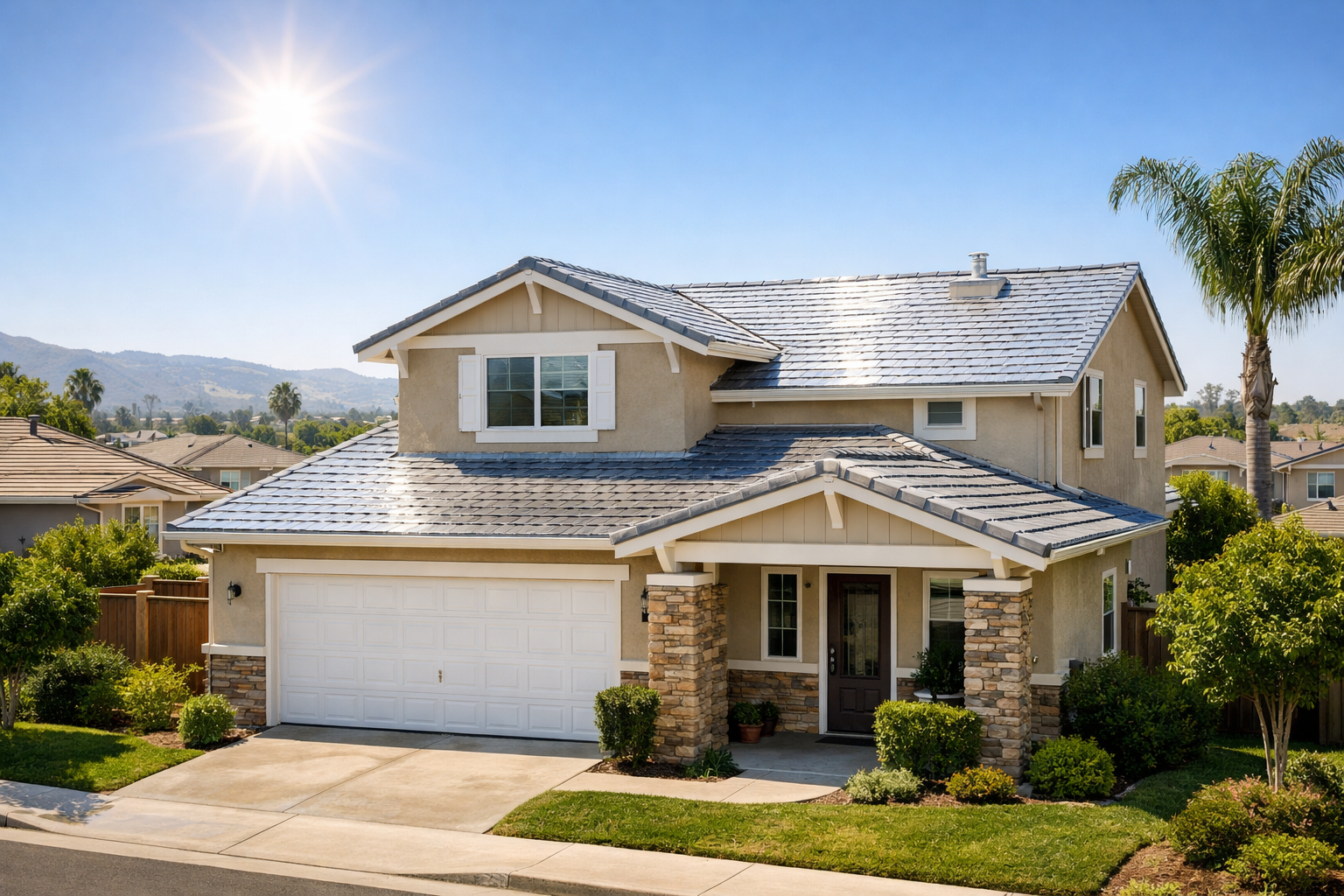
One of the key components of Title 24 for roofs is the focus on cool roofing materials, which reflect more sunlight, absorb less heat, and help maintain comfortable indoor temperatures without over-reliance on air conditioning. For homeowners and contractors alike, meeting these standards not only ensures legal compliance but also contributes to long-term cost savings through reduced energy bills.
What Qualifies as a Cool Roof?
A “cool roof” must meet specific reflectance and emittance criteria set by the Cool Roof Rating Council (CRRC). These measures indicate how well the roof reflects sunlight and emits absorbed heat. Roofing materials that qualify as cool roofs typically include special coatings, reflective granules, or advanced materials.
Cool roofs are available for both residential and commercial properties in forms such as reflective shingles, metal roofing, and single-ply membranes. Contractors often recommend these products as they help buildings stay cooler, which is particularly critical in California’s high-temperature regions.
Benefits of Reflective Roofing Systems
Installing a cool roof does more than ensure compliance with Title 24—it delivers a range of practical benefits for homeowners and contractors, including:
- Energy Efficiency
Cool roofs reduce the amount of heat entering a building, cutting down on air conditioning use during hot months. This translates to lower utility bills for homeowners and reduced energy demands on the grid. - Improved Comfort Indoors
By keeping indoor spaces cooler, reflective roofs create a more comfortable environment, even during heatwaves. - Longer Lifespan of Roofing Materials
Excessive heat and UV exposure can degrade traditional roofing materials over time. Cool roofs mitigate these effects, extending the lifespan of your roof and reducing maintenance costs. - Environmental Impact
Reduced energy usage lowers carbon emissions, making cool roofs an eco-friendly choice that aligns with California’s sustainability goals. - Property Value
Energy-efficient upgrades, such as cool roofs, can increase a property’s value—an important consideration for homeowners planning long-term investments.
Compliance Tips for Homeowners and Contractors
Navigating Title 24 requirements may seem daunting, but compliance is achievable with the right guidance and materials. Follow these tips to ensure a smooth process:
- Understand Your Climate Zone
Title 24 requirements vary by climate zone. Identify your specific region in California to determine the cool roofing standards applicable to your project. - Choose Certified Materials
Always use materials certified by the Cool Roof Rating Council. This ensures the product meets the necessary reflectance and emittance standards. - Consult an Energy Expert
Partner with a certified energy consultant or roofing contractor familiar with Title 24 to help you meet all compliance requirements efficiently. - Don’t Overlook Underlayment
Roofing underlayment plays a critical role in energy efficiency and protection. A high-quality underlayment, such as FoamBond, supports the roof’s reflective performance while adding durability.
How FoamBond Underlayment Supports Energy Efficiency and Compliance
FoamBond’s advanced roofing underlayment solutions are designed to enhance the performance of cool roofs and simplify compliance with California’s Title 24 standards. Here’s how FoamBond can make a difference for your roofing project:
- Superior Durability
FoamBond underlayment is engineered to withstand California’s extreme climate conditions, from scorching summers to heavy winter rains. This reliability ensures long-term roof performance. - Moisture and Heat Protection
By resisting moisture and providing excellent thermal insulation, FoamBond underlayment helps reduce energy loss and protects structural integrity. - Ease of Installation
Contractors value FoamBond for its lightweight design and ease of application, which speeds up installation without compromising quality. - Enhanced Energy Savings
Combining a cool roof with FoamBond underlayment creates a synergy that maximizes energy efficiency, saving homeowners money on utility bills while reducing environmental impact.
Protect Your Roof with Confidence — Choose FoamBond
When it comes to roofing underlayment, durability and performance matter. At FoamBond, we provide high-quality, energy-efficient solutions designed to withstand California’s diverse climate conditions. Whether you’re a contractor or a homeowner, our products are engineered to protect what matters most—your home, your investment, and your peace of mind.
Contact us today at 866-404-5440 or email office@foambond.com to learn how FoamBond can support your next roofing project with industry-leading innovation and reliability.