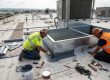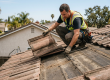
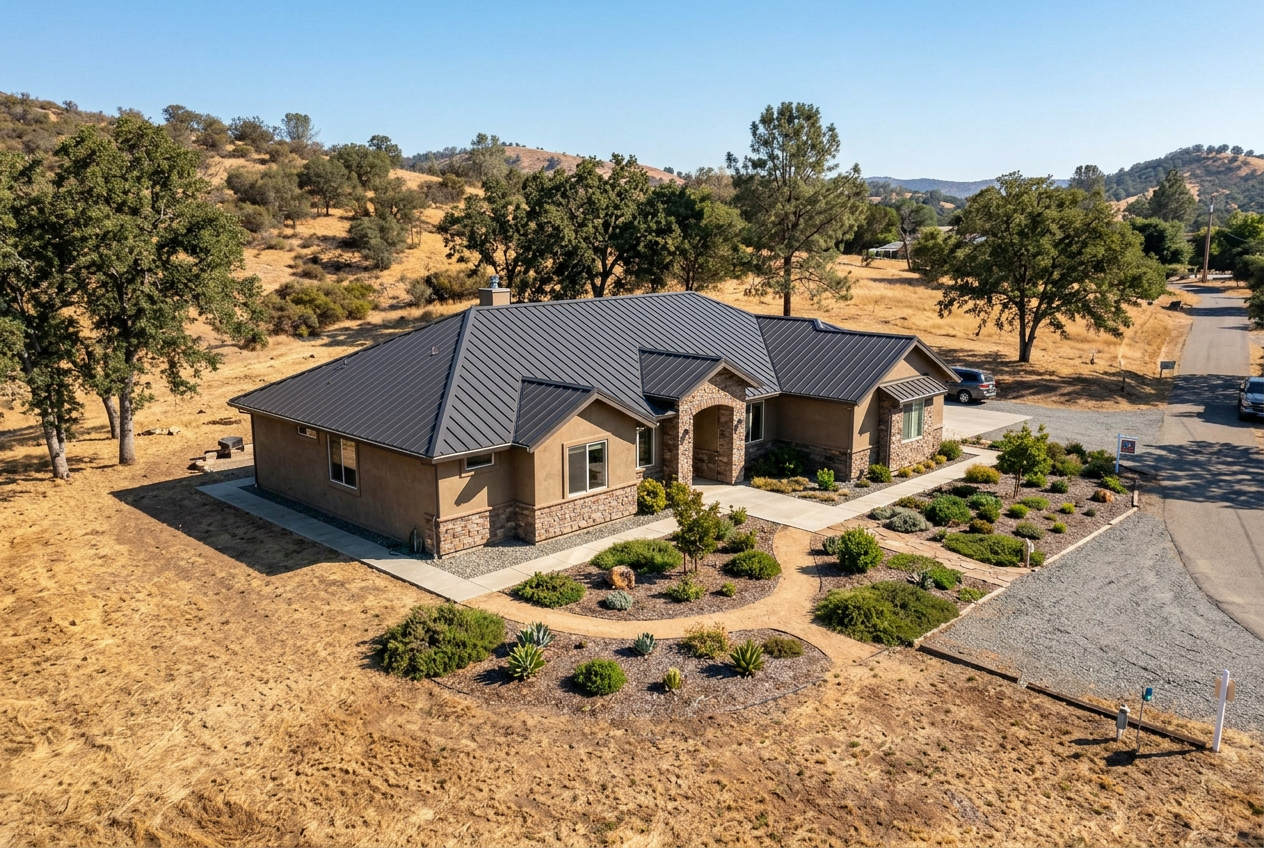
Wildfire-resistant roofing can help reduce a California property’s vulnerability to windborne embers, radiant heat, and nearby flame exposure. The roof covers a large portion of the building and contains many intersections where embers or heat can challenge the assembly. For homes in Wildland-Urban Interface areas, selecting suitable materials is important, but the way those materials are combined and installed matters just as much.
No roof can eliminate wildfire risk. A protective approach focuses on reducing avoidable weaknesses through fire-rated exterior materials, noncombustible components where appropriate, closed gaps, sound flashing, and regular maintenance. The roof should be evaluated as one coordinated system rather than a collection of individual products.
Roofing Features That Can Reduce Vulnerability
A fire-rated roof covering
Roof coverings are evaluated for their response to fire exposure. Homeowners should review the rating of the proposed covering and confirm that it is appropriate for the project and local requirements. The rating applies within a defined assembly, so product labels should not be considered separately from the deck, underlayment, installation method, and other components.
Noncombustible or ignition-resistant components
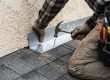
Metal flashing, properly selected edge details, and other noncombustible components can reduce the amount of exposed combustible material at vulnerable transitions. Their value depends on correct placement and continuity. Small gaps at eaves, ridges, valleys, or roof-to-wall intersections can allow embers to reach concealed spaces even when the main roof surface performs well.
Underlayment compatible with the complete assembly
Underlayment supports weather protection beneath the visible roof covering and must be compatible with the materials and assembly above it. When choosing a roofing system for wildfire-prone areas, contractors and homeowners should consider the tested or specified configuration rather than assuming any combination will perform the same way.
Carefully protected openings and penetrations
Vents, skylights, chimneys, pipes, rooftop equipment, and other penetrations interrupt the roof surface. Proper flashing and well-fitted transitions help limit both moisture entry and ember access. Openings near eaves and attic spaces also deserve attention because embers can collect in sheltered locations.
Assembly Details Matter as Much as Materials
A fire-rated covering cannot compensate for loose edges, exposed deck areas, damaged flashing, or unprotected gaps. Installation should follow the requirements for the selected system, including appropriate fastening, laps, transitions, and edge treatment. When different trades work near the roof, their penetrations and attachments should be coordinated so later work does not compromise protective details.
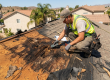
Existing roofs may contain repairs or additions completed at different times. A roof evaluation can identify mismatched materials, deteriorated sealants, displaced tiles or shingles, and openings that were not integrated into the original assembly. Correcting these conditions can improve both wildfire resilience and everyday weather resistance.
Practical Priorities for WUI Homeowners
Keep the roof and drainage paths clear
Leaves, needles, and other dry debris can collect in valleys, gutters, behind rooftop equipment, and at roof-to-wall transitions. Routine removal reduces fuel on the roof and helps water drain properly during storms.
Inspect after wind or maintenance work
Wind can shift roofing materials and deposit debris, while service work can disturb flashing or create new penetrations. A visual review after these events can identify changes before wildfire season or wet weather exposes them.
Confirm local requirements before selecting a system
California properties may be subject to location-specific building and fire-safety requirements. Homeowners should work with qualified professionals and the relevant local authority to understand which ratings, materials, and assembly details apply to their property.
Build Protection Layer by Layer
Wildfire-resistant roofing is strongest when rated materials, compatible underlayment, noncombustible details, protected openings, and careful installation work together. Maintenance remains part of that protection throughout the roof’s service life. For California property owners in WUI areas, attention to the complete assembly can reduce vulnerabilities while also supporting reliable weather performance.
Protect Your Roof with Confidence — Choose FoamBond
When it comes to roofing underlayment, durability and performance matter. At FoamBond, we provide high-quality, energy-efficient solutions designed to withstand California’s diverse climate conditions. Whether you’re a contractor or a homeowner, our products are engineered to protect what matters most — your home, your investment, and your peace of mind.
Contact us today at 866-404-5440 or email us at office@foambond.com to learn how FoamBond can support your next roofing project with industry-leading innovation and reliability.