Skylights are a fantastic addition to any home or commercial property. They enhance natural lighting, improve energy efficiency, and increase the aesthetic appeal of a space. However, when skylights are not installed correctly, they can become more of a headache than an asset. From roof leaks to poor insulation, improper installation can lead to costly issues down the line. Here, we’ll examine the most common skylight installation mistakes, their consequences, and how you can avoid them.
Common Skylight Installation Mistakes
1. Poor Sealing
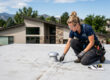
One of the most critical steps in skylight installation is ensuring proper sealing. Poor sealing can lead to water leaks, which not only damage your roof but can also cause interior issues such as mold growth and weakened structural integrity. Many installers use subpar or insufficient sealants, or they skip rechecking the seals after placement, which is a common error.
How to Avoid It
Always use high-quality, UV-resistant sealants designed for roofing systems. Additionally, perform water testing after installation to ensure a watertight seal. Reinforcing the skylight with flashing tape around the perimeter can also provide extra protection against leaks.
2. Incorrect Placement on the Roof
Placement plays a vital role in the performance of a skylight. Installing a skylight in a shaded or structurally weak area of the roof can reduce the amount of natural light entering your home and even compromise its durability. Similarly, installing skylights without considering roof pitch and orientation can lead to inefficient energy use.
How to Avoid It
Work with a professional who understands local weather patterns, roof structures, and sun angles. For example, in California, taking into account sunlight patterns and roof slope is essential for maximizing both daylight and energy efficiency.
3. Insufficient Insulation
One of the most overlooked steps in skylight installation is proper insulation. Without sufficient insulation, skylights can become a major source of energy loss. Heat gain during summer and heat loss during winter can result in higher energy bills and discomfort for occupants.
How to Avoid It
Use insulated glass or double glazing for skylights to improve thermal performance. Ensure that the surrounding roof area is properly insulated and air-sealed during installation to prevent drafts and energy leakage.
4. Ignoring Roofing Integration
A skylight that doesn’t integrate well with the existing roofing system can compromise the structural integrity of your roof. Common signs of improper integration include skylights that protrude awkwardly, interrupt the roofline, or lack adequate flashing.
How to Avoid It
Coordinate skylight installation with roofing experts, ensuring that the unit integrates seamlessly with your roofing materials. Flashing kits designed for specific types of skylights and roofing systems are essential for preventing water leaks and ensuring durability.
Best Practices for Skylight Installation
1. Start with High-Quality Materials
Opt for skylights that are designed for your specific climate. For California, energy-efficient skylights with Low-E coatings can reduce UV exposure and help regulate indoor temperatures.
2. Follow Manufacturer Guidelines
Every skylight manufacturer provides detailed installation instructions. Following these recommendations ensures compatibility with your roofing system and helps maintain the product warranty.
3. Conduct Regular Maintenance
Routine inspections and maintenance can catch potential issues before they escalate. Cleaning skylights and checking the seals annually can prolong their lifespan and maintain efficiency.
Benefits of Proper Skylight Installation
Enhanced Durability
Correct installation ensures your skylight withstands weather conditions like heavy rain and strong winds. This is especially important in California, where diverse climates from coastal rainstorms to inland heat can take a toll on poorly installed units.
Improved Energy Efficiency
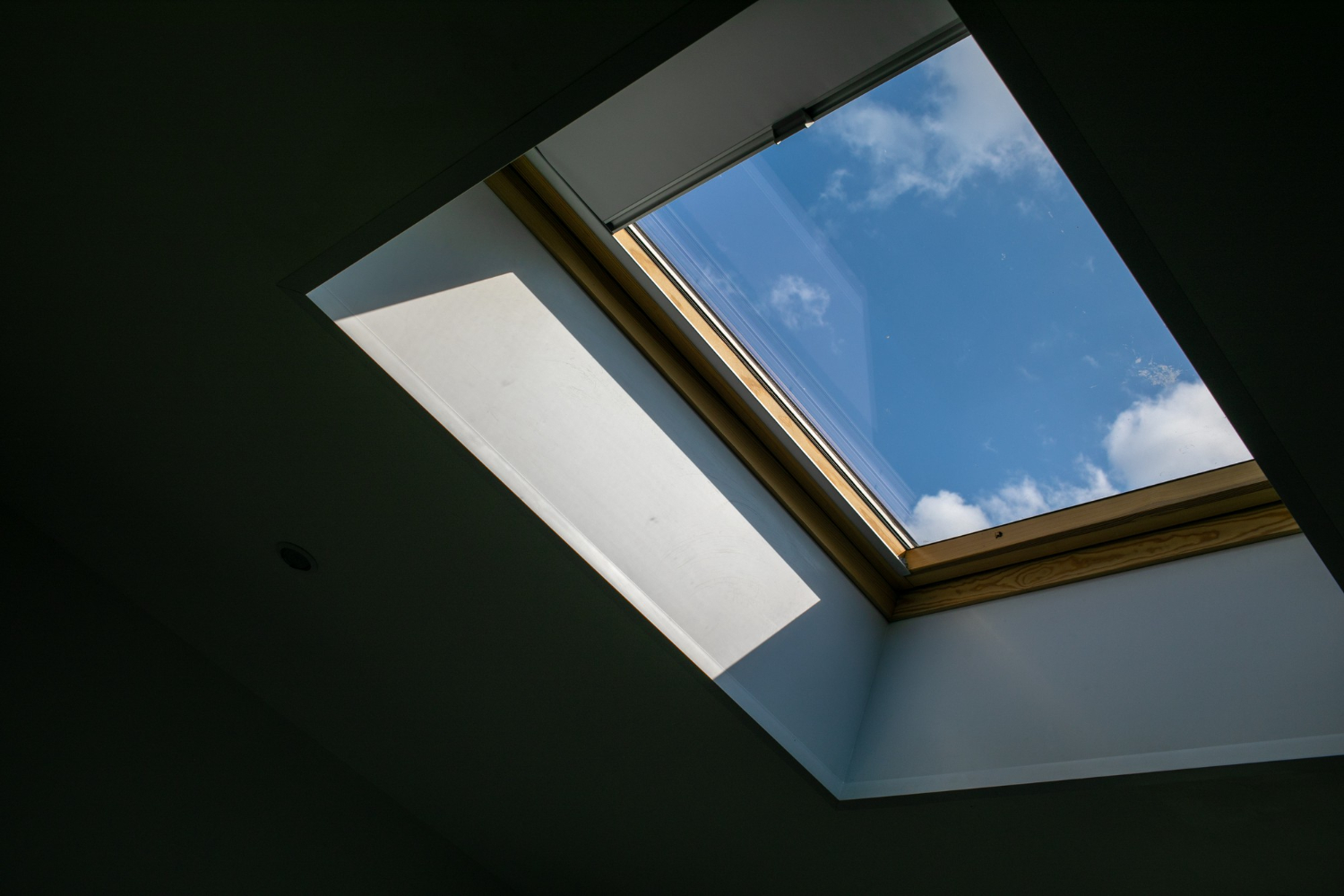
A well-installed skylight can enhance your home’s energy efficiency by reducing reliance on artificial lighting and minimizing heat transfer. This not only lowers your utility bills but also reduces your carbon footprint.
Increased Natural Light
Proper placement and installation maximize the amount of daylight entering a space, reducing the need for artificial lighting during the day. Bright, natural light is proven to improve mood and productivity.
Protect Your Roof with Confidence — Choose FoamBond
When it comes to roofing underlayment, durability and performance matter. At FoamBond, we provide high-quality, energy-efficient solutions designed to withstand California’s diverse climate conditions. Whether you’re a contractor or a homeowner, our products are engineered to protect what matters most — your home, your investment, and your peace of mind. Contact us today at 866-404-5440 or email us at office@foambond.com to learn how FoamBond can support your next roofing project with industry-leading innovation and reliability.