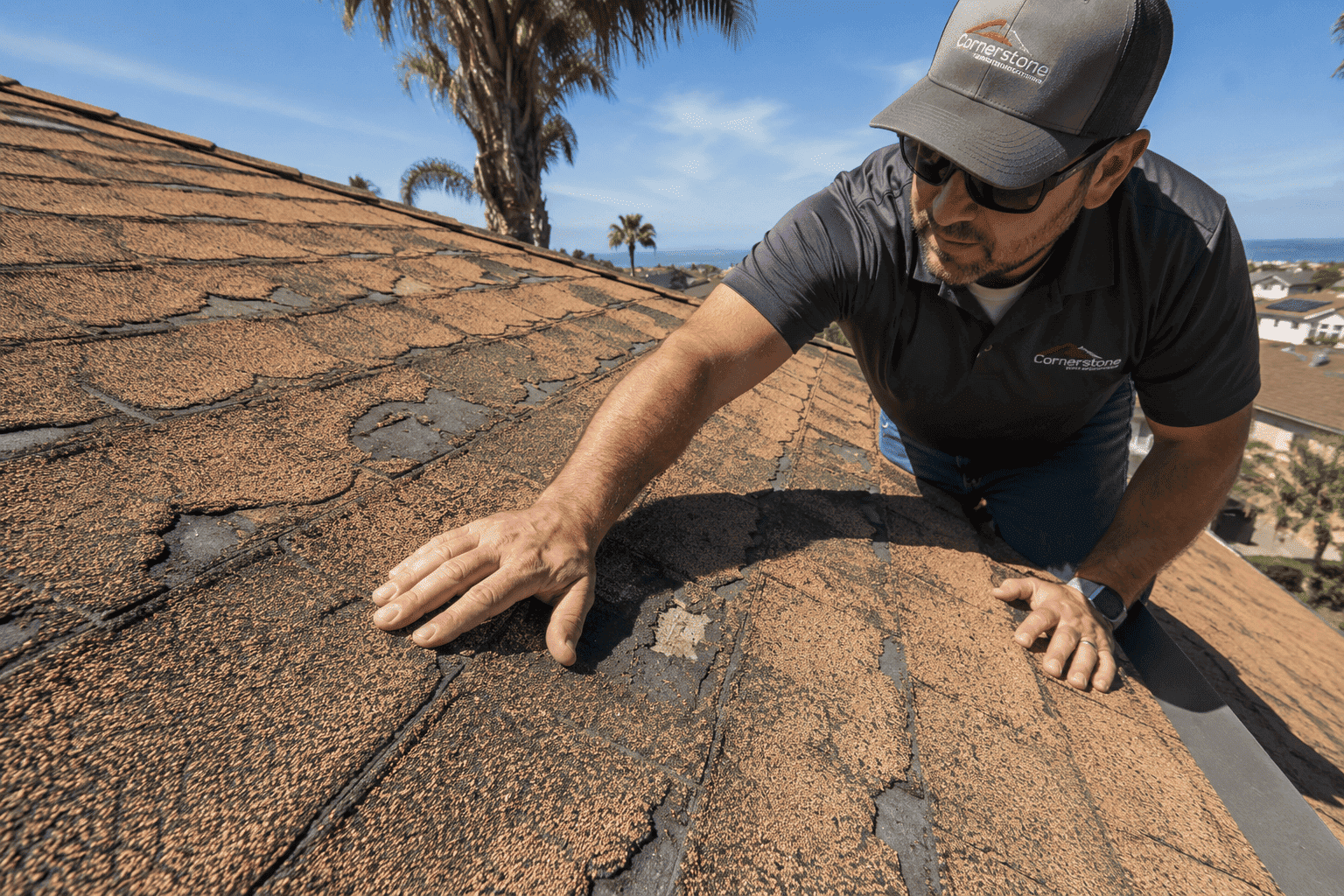
Roof blistering can start as a small surface issue, but it usually points to deeper stress within the roofing system. In California, where roofs face strong sun, high temperatures, and long dry seasons, blistering often develops when moisture, installation quality, and heat exposure do not stay in balance.
Understanding what causes roof blistering helps contractors and property owners make better maintenance and material decisions before the damage spreads. It also highlights why roof preparation and climate-appropriate systems matter so much in hot regions.
What Causes Roof Blistering
Trapped Moisture
One of the most common causes of roof blistering is trapped moisture inside the roofing layers. When heat builds throughout the day, that moisture can expand and create pressure below the surface. Over time, the pressure forms raised pockets that weaken the roof and can shorten its service life.
Poor Installation
Blistering can also develop when materials are installed over surfaces that are not fully dry, clean, or properly prepared. Weak adhesion and uneven application create opportunities for air or moisture to remain inside the system, increasing the risk of failure later.
Constant Heat Exposure
Heat exposure makes every small roofing weakness more noticeable. In hot California climates, repeated thermal stress can expand trapped air and moisture faster, which is why roof systems must be selected and installed with local weather conditions in mind.
How to Reduce the Risk
Prevention starts with proper preparation. Roofing surfaces should be dry, sound, and ready for application before any underlayment or protective layer is installed. Regular inspections also help catch early warning signs before blistering turns into broader damage.
Choosing materials designed for weather resistance and energy-conscious performance is another practical step. A roof system should do more than cover the structure. It should also help manage the environmental stress the building faces every day.
Why Foam Roofing Systems Matter in Hot Climates
Foam roofing systems can support better performance in hot climates by helping create a more consistent protective layer and by fitting into energy-efficient roofing strategies. When installation is handled correctly, they can help reduce the conditions that allow blistering to become a recurring problem.
That does not replace the need for maintenance, but it does show how the right roofing approach can make prevention more realistic over the long term.
A Smarter Approach to Roof Protection
Roof blistering is often a warning sign rather than a cosmetic issue. By focusing on moisture control, sound installation, and materials that perform well under heat, property owners can protect the roof more effectively and avoid preventable deterioration.
Protect Your Roof with Confidence — Choose FoamBond
When it comes to roofing underlayment, durability and performance matter. At FoamBond, we provide high-quality, energy-efficient solutions designed to withstand California’s diverse climate conditions. Whether you’re a contractor or a homeowner, our products are engineered to protect what matters most — your home, your investment, and your peace of mind. Contact us today at 866-404-5440 or email us at office@foambond.com to learn how FoamBond can support your next roofing project with industry-leading innovation and reliability.