Early roof damage is easy to overlook when there is no visible leak inside the home, but small warning signs often show up long before water starts dripping through the ceiling. For homeowners in California, noticing those signs early can make roof maintenance more manageable and help protect the structure before minor wear becomes a more serious problem.
A roof is exposed to sun, changing temperatures, wind, and seasonal moisture. Over time, those conditions can slowly affect surface materials and the protective layers beneath them. That is why early inspections and practical preventive care matter even when the roof still appears stable from a distance.
Subtle Signs That Should Not Be Ignored
Discoloration or Uneven Surface Changes
Dark patches, uneven fading, or isolated areas that look different from the rest of the roof can be early signals that moisture or surface wear is beginning to affect the system. These changes do not always mean a leak is already active, but they can indicate that the roof needs closer evaluation.
Minor Cracks and Surface Separation
Small cracks or subtle separation around roofing materials can create openings for future water intrusion if they are left alone. What starts as a limited surface issue can become more costly once repeated exposure to heat and weather weakens the surrounding area.
Unexpected Changes in Indoor Comfort
A rise in energy bills or rooms that feel harder to keep comfortable can sometimes point to roof-related performance issues. When the roof system no longer helps protect the home as efficiently as it should, the strain can show up in heating and cooling patterns before a leak becomes obvious.
Why Early Inspections Make a Difference
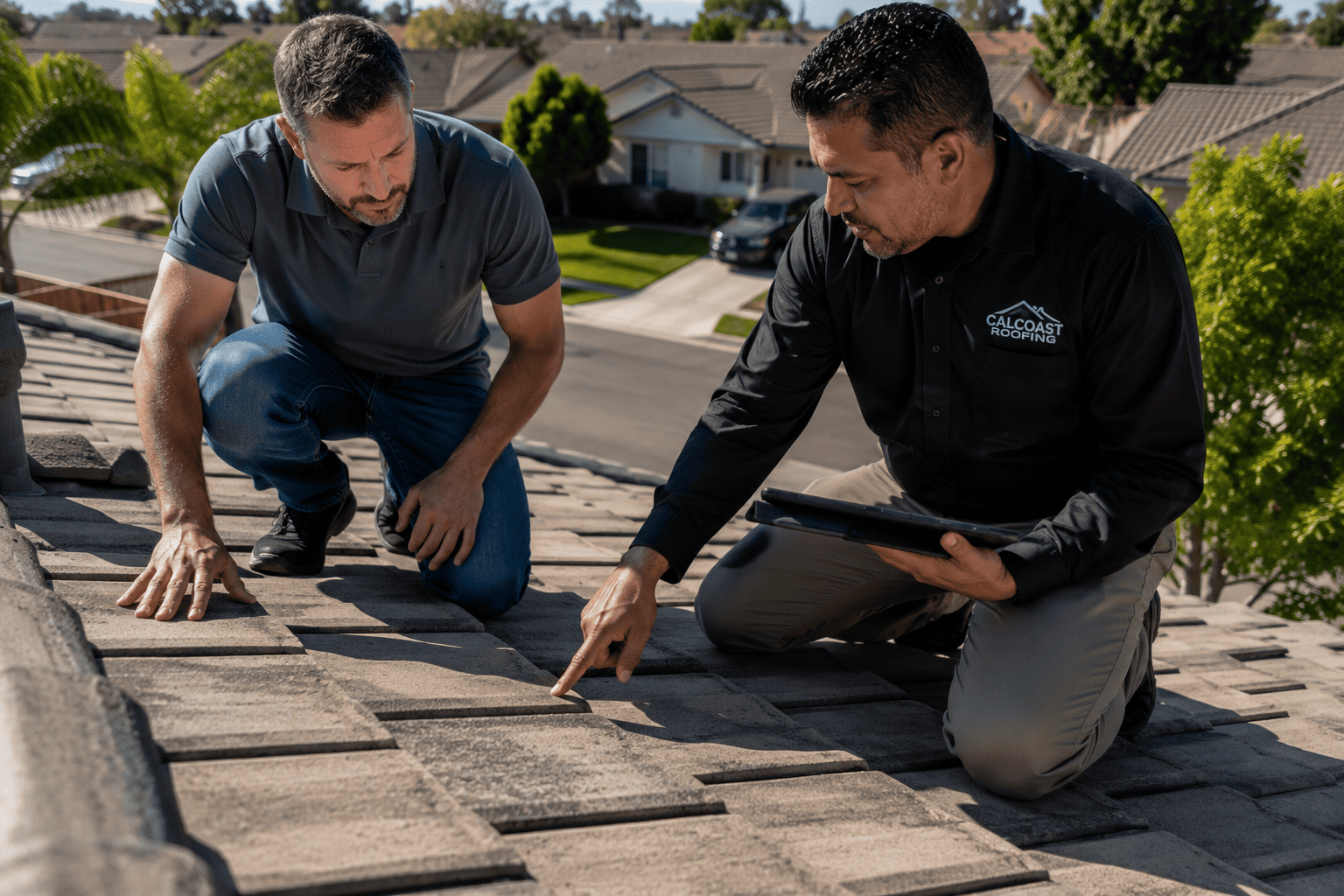
A timely roof inspection helps identify weak spots before they spread. Contractors and homeowners can use those inspections to catch surface wear, drainage concerns, or preparation issues that may affect the roof over time. The goal is not to overreact to every mark or stain, but to understand whether a pattern points to a developing problem.
Preventive maintenance is also easier to plan when damage is addressed early. Smaller corrections are typically more straightforward than responding after water has already moved deeper into the roofing system.
Practical Ways to Stay Ahead of Damage
Homeowners can benefit from regular visual checks after heavy weather, seasonal maintenance routines, and professional inspections when changes appear. Keeping the roof clear of debris and paying attention to small surface shifts can support longer-term performance.
It is also important to use roofing materials and protection systems that are suited to demanding climate conditions. A roof performs better when preparation, underlayment, and weather resistance all work together instead of being treated as separate concerns.
Protect the Roof Before Problems Escalate
Detecting early roof damage before it becomes a leak is really about paying attention to small changes while there is still time to respond. Discoloration, minor cracks, and shifting energy performance can all be useful signals. When those signs are taken seriously, preventive maintenance becomes a smarter and more cost-conscious way to protect the home.
Protect Your Roof with Confidence — Choose FoamBond
When it comes to roofing underlayment, durability and performance matter. At FoamBond, we provide high-quality, energy-efficient solutions designed to withstand California’s diverse climate conditions. Whether you’re a contractor or a homeowner, our products are engineered to protect what matters most — your home, your investment, and your peace of mind.
Contact us today at 866-404-5440 or email us at office@foambond.com to learn how FoamBond can support your next roofing project with industry-leading innovation and reliability.